
UVE’s LAND & LIVESTOCK STEWARDSHIP TRUST
UVE’s Land & Livestock Stewardship Trust is a perpetual landholding model designed to protect and regenerate working lands while creating pathways for new stewards to build equity, thereby strengthening rural economies, ensuring ecological resilience, enhancing rural prosperity, and tribal sovereignty.
Rooted in Holistic Management and enabled by a growing set of policies such as Oregon’s Stewardship Trust law (ORS 130.193), the model safeguards the land base in perpetuity while balancing three outcomes:
Land Regeneration – Protect and restore grasslands using livestock integration and Holistic Planned Grazing.
Community Prosperity – Provide training in Holistic Management, land-based entrepreneurship, equity-building, and financial literacy, while providing land access to emerging stewards.
Financial Sustainability – Generate stable income for stewards, investors, trustees, and beneficiaries while maintaining capital security.
A Stewardship Trust is scalable and replicable, and in partnership with tribal nations, it can become a "land back" vehicle—restoring fractionated allotment lands, enhancing sovereignty, and building regenerative economies rooted in cultural and ecological values.
The Problem
For Rural Agricultural Lands
Short-term leases undermine long-term ecological and financial planning.
High land costs exclude qualified managers from ownership.
Development pressures and extractive practices erode land health.
For Tribal Allotment Lands
Fractionation leaves parcels with hundreds of owners, making unified management impossible.
Federal oversight limits tribal control over the use of allotments.
Cultural sites and ecological health are often degraded.
A lack of financing options hinders regenerative development.
The common challenge we face:
Securing land for long-term regenerative use without losing it to speculation, degradation, or outside control.
The Stewardship Trust Solution
is a legal framework that holds land in perpetuity for defined regenerative purposes. It ensures that the land can never be sold for non-aligned uses, that governance is locally accountable, and that decisions are driven by a Holistic Context.
Operations are economically viable, provide for human flourishing, and are ecologically sound. Multiple generations can benefit simultaneously, building upon rather than eroding productive capacity.
Key Features of the Model
Entry Pathway for Stewards – Provides a viable ranching unit, affordable long-term leases tied to regenerative management performance, and equity-building opportunities.
Living Learning Site – Operates as an UVE Savory Hub training ground for Holistic Management; co-stewards work toward Savory Accredited Professional status.
Stable Income for Beneficiaries – Distributions made after land, steward, and ecological needs are met.
Monetizing Non-Essential Rights – Sell or lease rights (development, wind, solar, water) only when they do not compromise regenerative outcomes; proceeds reduce debt or expand the trust’s land base.
UVE's focus is on grassland restoration & livestock integration for improved productivity, water retention, and plant diversity. Emphasis will be placed on converting cropland to grassland, restoring degraded cultivated land to diverse perennial grass systems.
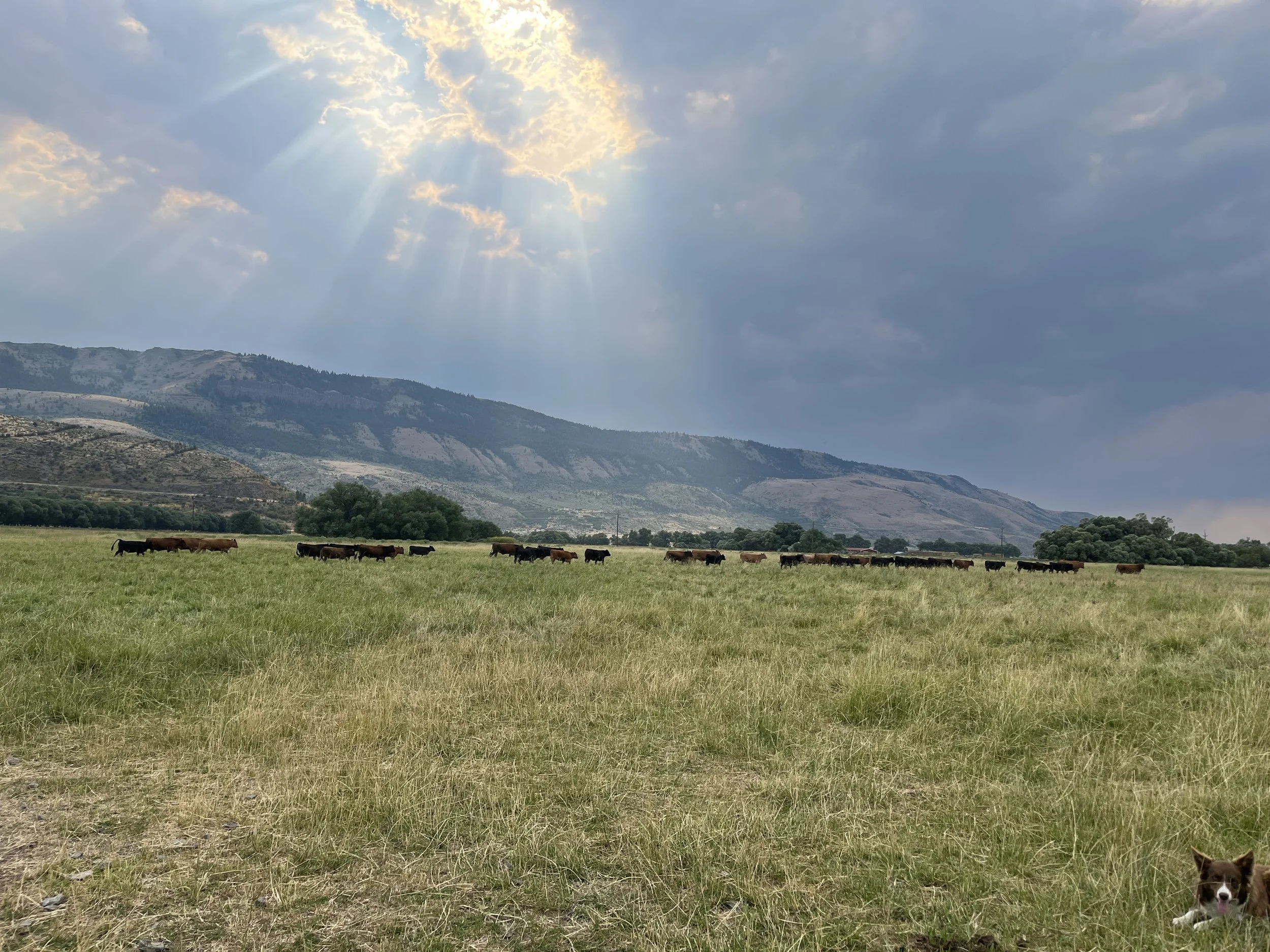
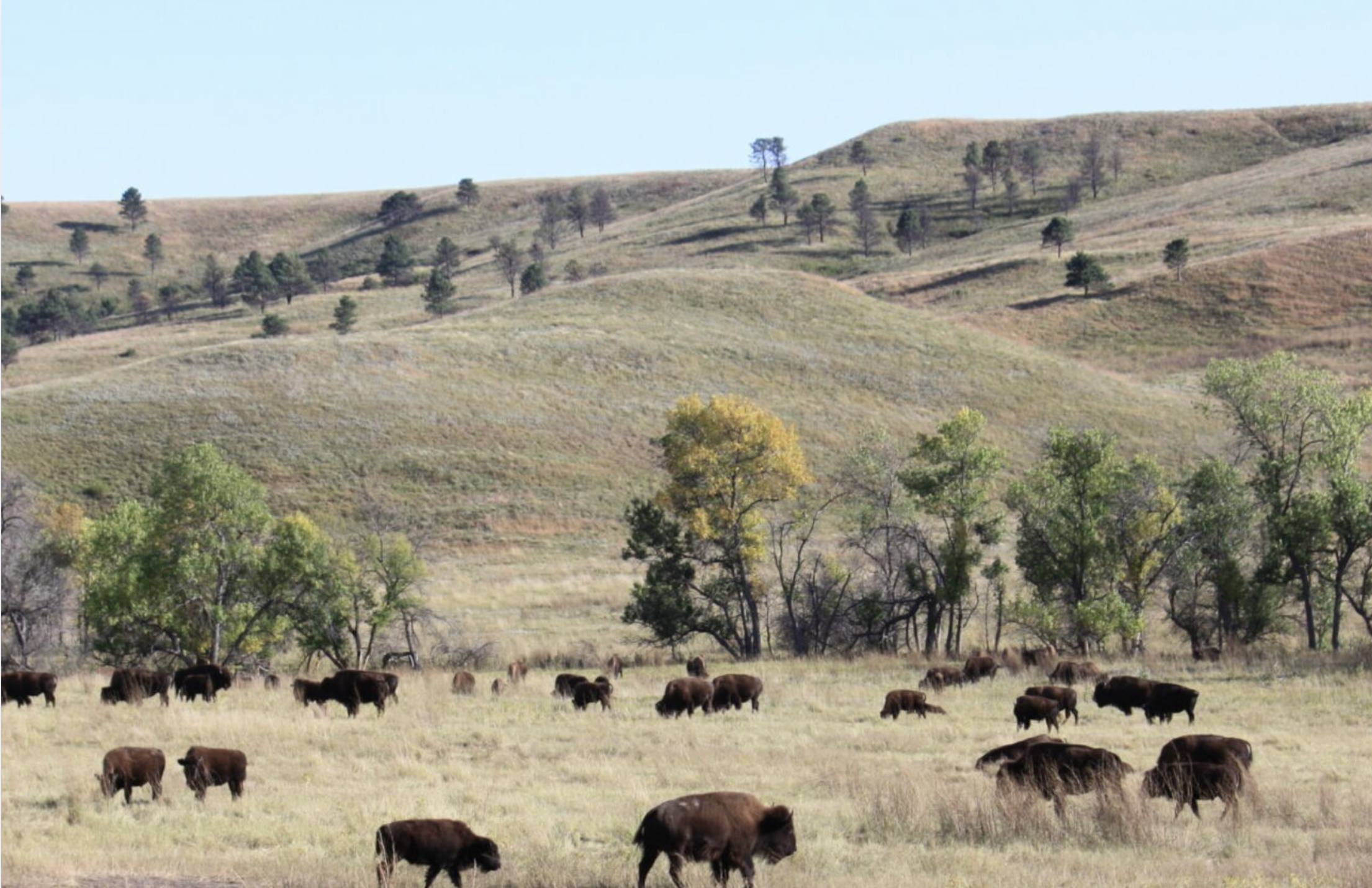
At the core of UVE’s Stewardship Trust concept is that livestock are regenerative tools – cattle, bison, sheep, and goats will be managed to mimic natural grazing patterns, accelerating carbon sequestration, stimulating plant recovery, and increasing biodiversity, all while providing productive and meaningful livelihoods.
Application to Tribal Lands
Challenges on Tribal Allotment Lands
Fractionated ownership prevents unified, productive management.
Lands often underperform economically and ecologically.
Cultural priorities are sidelined under external governance.
The Stewardship Trust Concept for Potential Re-Pair
Reunifies Fractionated Lands – Consolidates ownership into a single trust corpus governed by a tribally led Stewardship Committee.
Strengthens Sovereignty – Decision-making authority is shifted to trustees who have a stake in creating and realizing a flourishing community.
Protects Cultural Values – Sacred sites, Traditional Ecological Knowledge, and uses such as First Food harvesting are enshrined in trust governance.
Builds Economic Equity – Tribal members access long-term leases, build livestock herds, and run regenerative enterprises without needing to buy land.
Restores Grasslands – Integrates Holistic Planned Grazing to enhance soil health, biodiversity, and climate resilience.
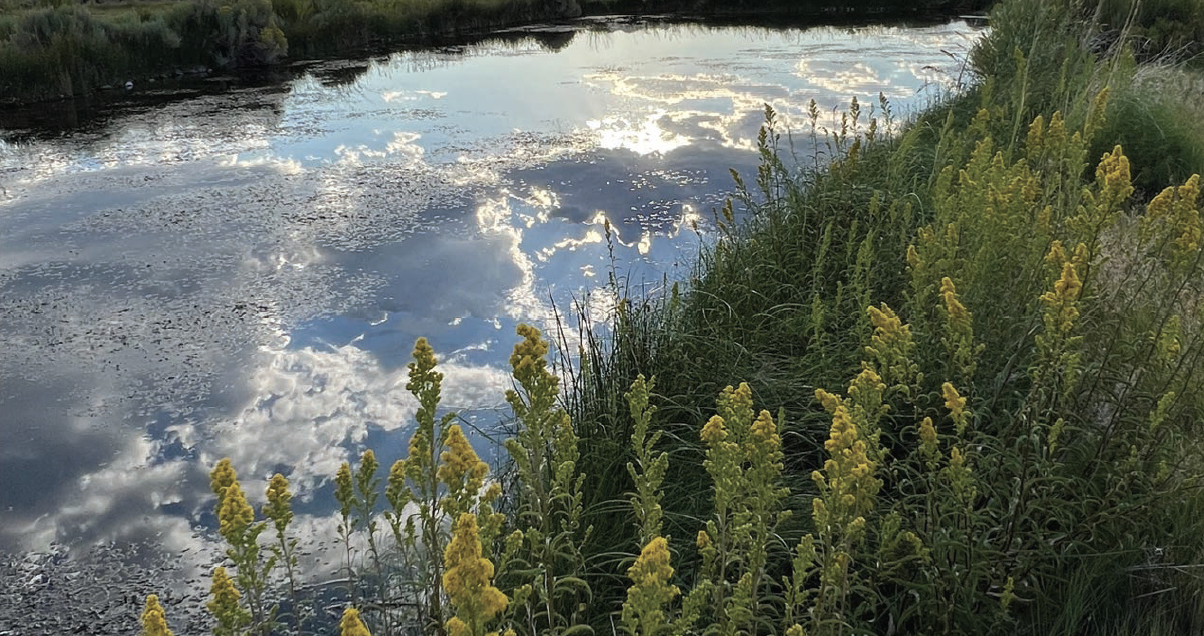
PROOF IN CONCEPT — BUNCHGRASS LAND & LIVESTOCK
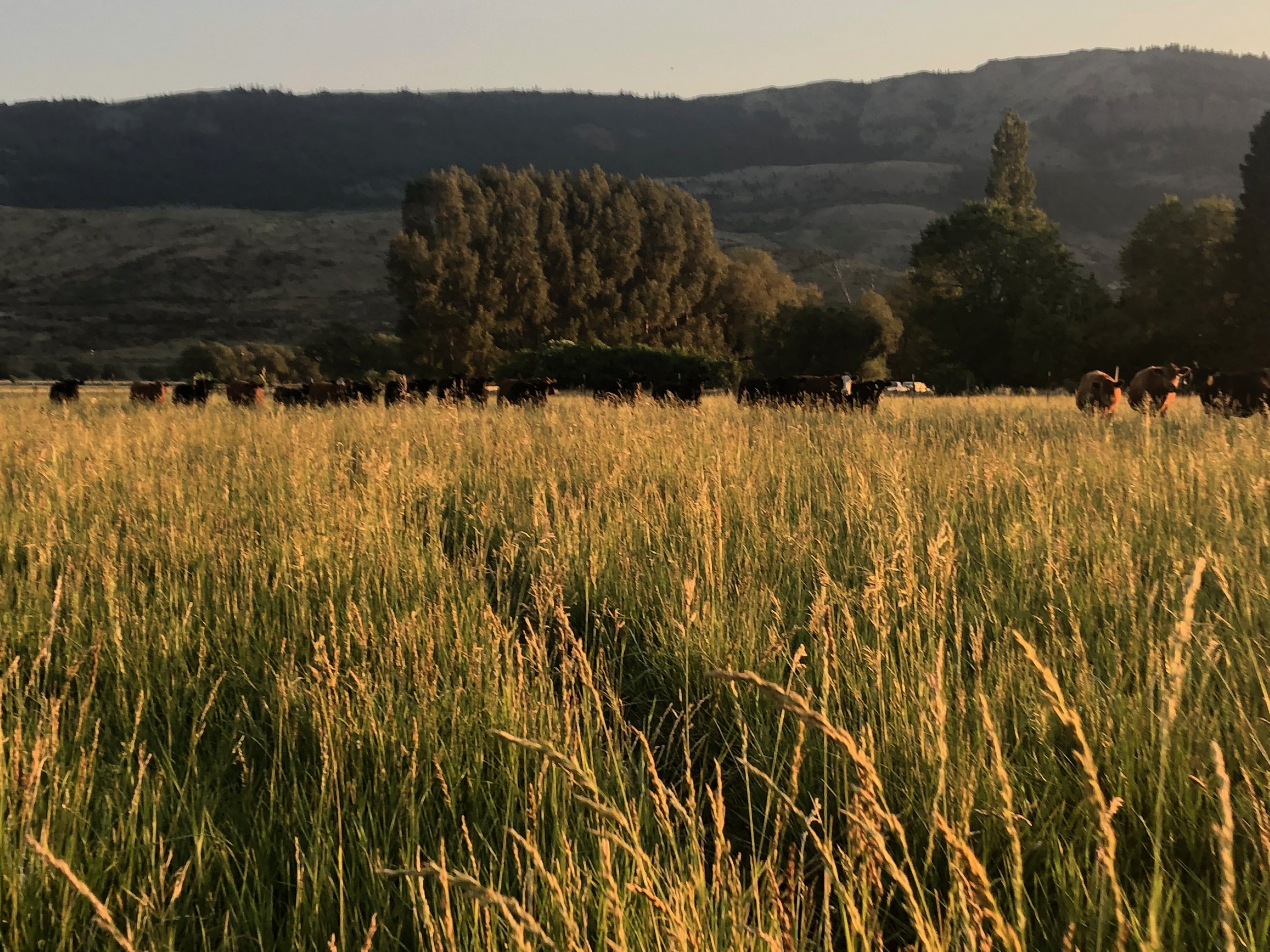
Bunchgrass Land & Livestock, located in Union County, Oregon, the homeland of the Cayuse, Umatilla, and Walla Walla peoples, includes approximately 726 acres in the Middle Rocky Blue Mountain Ecoregion.
Presently, the property that Bunchgrass Land & Livestock stewards is stocked with 125 head of cattle and a small flock of hair sheep for a total of 50,000 animal days or 140 animal units. Two sets of headquarters are approximately 2 miles apart on either side of the city of Union,Oregon.
Union Meadows, which has been managed holistically with the aid of monitoring data that measures ecological function since 2009, consists of a house, a guest cottage, an orchard that integrates sheep, a chicken coop to house a small flock, a garden with raised beds, and a barn (which has been primarily used for gatherings and a learning site). The 98 acres consist of pasture where most senior water rights have been leased instream to enhance salmon habitat. There is a center pivot on approximately 20 acres. With limited or no irrigation, production and overall ecological health have improved, although Ecological Outcome Verification (EOV) data indicate that community dynamics, in particular, can still be significantly enhanced.
Buffalo Peak Land & Livestock, which has been managed holistically with the aid of monitoring data that measures ecological function since 2019, comprises a house, several outbuildings, including a well-equipped shop, a few fruit trees, a garden, corrals, a hydraulic squeeze chute, and a livestock scale. The 286 acres consist of pasture where floodplain restoration is in progress while maintaining a viable ranching operation. The remaining 342 acres are sagebrush steppe.
The Co-Stewardship Initiative
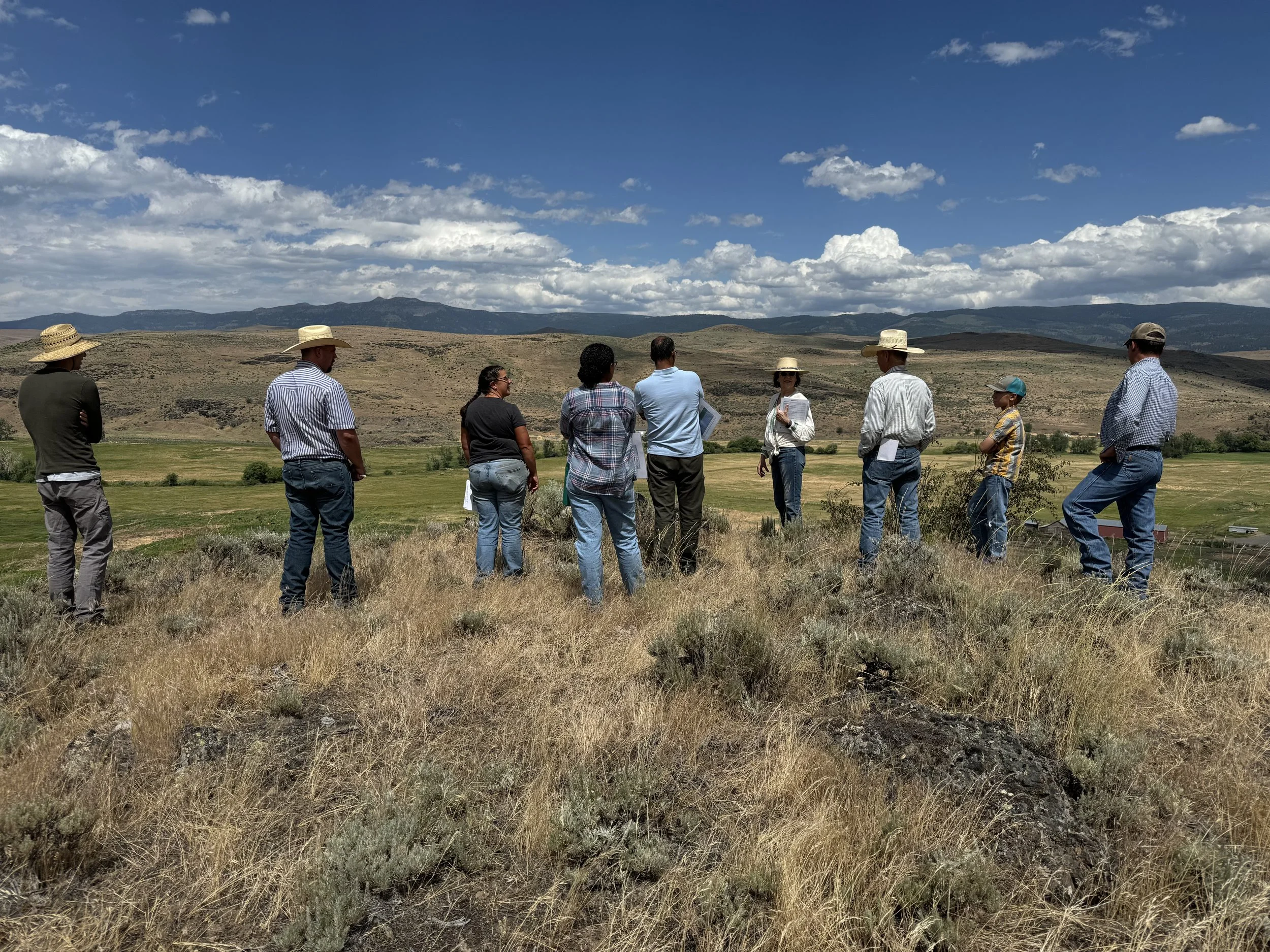
In 2024, Bunchgrass Land & Livestock owners and stewards, Tony and Andrea, sought proposals from those interested in co-stewarding ranchland using Holistic Management principles. Dedicated to regenerative practices that enhance the land's ecological health and the economic viability of ranching operations, the land bases serve as UVE's learning site, an accredited Savory Hub.
The primary objective of this co-stewardship initiative is to develop a succession model that incorporates Holistic Management, thereby enhancing soil health, biodiversity, and overall ecosystem resilience. Additionally, the aim is to enhance the productivity and profitability of the existing ranching operation, to serve as an incubator for new endeavors, and to create a resilient mechanism for the succession of land access and equity.
Tony and Andrea sought proposals that emphasized entrepreneurship, curiosity, and courage, considering those who wanted to create a future resource base that included ideas for a flourishing rural landscape far into the future. Once the co-steward was selected and agreements were drawn up, the Malmbergs set out to create a Stewardship Trust. The purpose of the Trust is to develop a succession plan for the ranching operations. The intent of the Bunchgrass Land & Livestock Trust is to work toward and accomplish the following broad purposes:
Provide Entry-Level Management for Professional Holistic Managers. The Trust provides an economically viable means for a “co-steward” to begin ranching by offering access to land and a base cowherd for lease.
Provide a Continuous Learning Site for the Community. The Trustees and co-stewards are Savory Accredited Professionals. They are committed to enhancing ecological health, as determined by Ecological Outcome Verification, so that the community’s knowledge and practical implementation of decision-making lead to triple-bottom-line regenerative businesses.
Provide for a Long-Term Income Stream and Maintenance of Basis. At all times, the Trustee shall maintain any real property owned by the Trust in a manner that is sufficient to financially support its continued operations.
Create a Vehicle to Capitalize Intrinsic Values, Not Necessary for Long-Term Regeneration. The Trustee will use its best discretion to capitalize on intrinsic values that are unnecessary for long-term, regenerative purposes. This may include, but not be limited to, a portion or entirety of water rights, mineral rights, wind rights, development rights, etc. The net value of these rights, after deducting expenses and reasonable transaction fees, will be used to retire any outstanding real estate debt. Any revenue received in excess of any existing real estate debt shall be added to the principal of the Trust.
Lower Capital Investment as a Pathway to Equity Ownership for Entry-Level Stewards. The entry-level co-steward is a Savory Accredited Professional and meets the terms and conditions of being a learning site for UVE, including, but not limited to, having EOV monitoring completed annually and demonstrating long-term profitability. The co-steward may continue leasing trust property from the Trustee until it is determined that the co-steward has built sufficient equity to end the lease and begin operating the co-steward’s business elsewhere. If the co-stewards exercise their purchase option, the proceeds will be added to the principal of the Trust and become available to purchase another property for future use.
Bunchgrass Land & Livestock has built its Stewardship Trust around its unique context. Every subsequent project will have its own distinct challenges and opportunities. UVE, with its vast collective experience and well-honed networks, is well-positioned to deliver the promising regenerative outcomes we need now and in the future.
INVESTMENT CONCEPT
Funding & Scaling the Model through Replicability
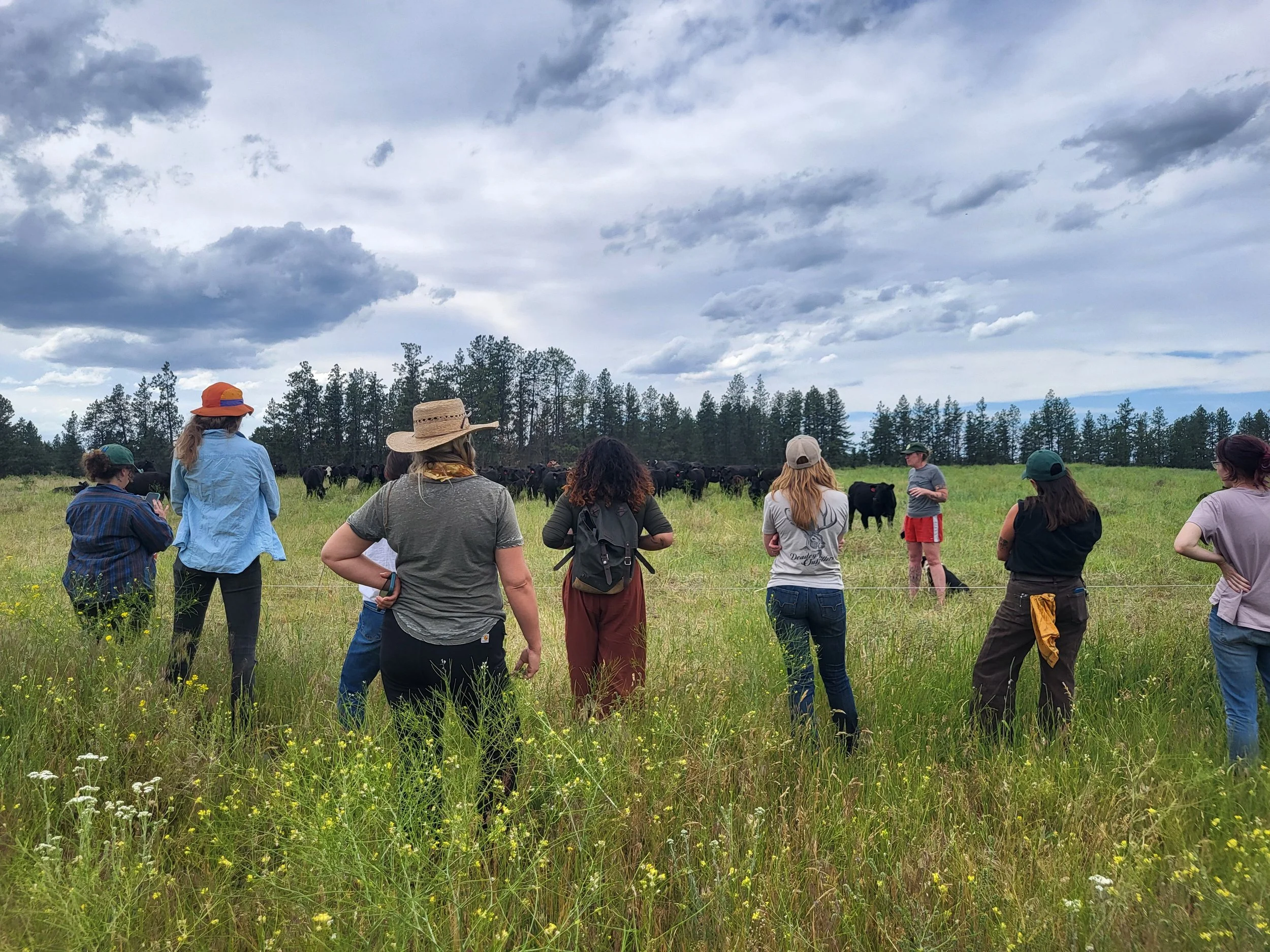
UVE seeks to pool capital to invest in stewardship opportunities, equity building, and land ownership, thereby producing a triple bottom line. This means there will be competitive financial returns to investors while improving the health of the ecological capital base, which will ensure wealth indefinitely, as well as creating abundant, meaningful, well-paying employment and equity-building opportunities, with the associated positive effects on rural communities.
UVE's Land & Livestock Stewardship Trust will serve as a replicable template for:
Private landowners seeking perpetual regenerative stewardship.
Tribal members managing allotment lands.
Regional networks of grassland trusts, linked through shared governance principles and ecological monitoring.
The scaling mechanism based on replicability is an investment fund that allows investors and communities to create the life they want and the landscape that makes it possible.
Acquiring Land through the UVE Land & Livestock Stewardship Trust Model
Locating properties that are priced right* with specific characteristics such as relative ease of management (reasonably flat and productive, accessibility to markets, low overheads, etc.) and possessing unrealized potential.
Replicability replaces scale— instead of only acquiring large properties with high carrying capacities, replicability will be the mechanism to create economically viable ranches and farms.
Land availability, price, and monetizing non-essential rights vary significantly in each region.