UVE BLOG
Newsletters, Articles, & More
Find our latest news, research, and natural musings
sign up for our newsletter to receive monthly updates
What Are We Here to Bring Into Being? A Personal Exploration of Why a Statement of Purpose Belongs in an Individual’s Holistic Context
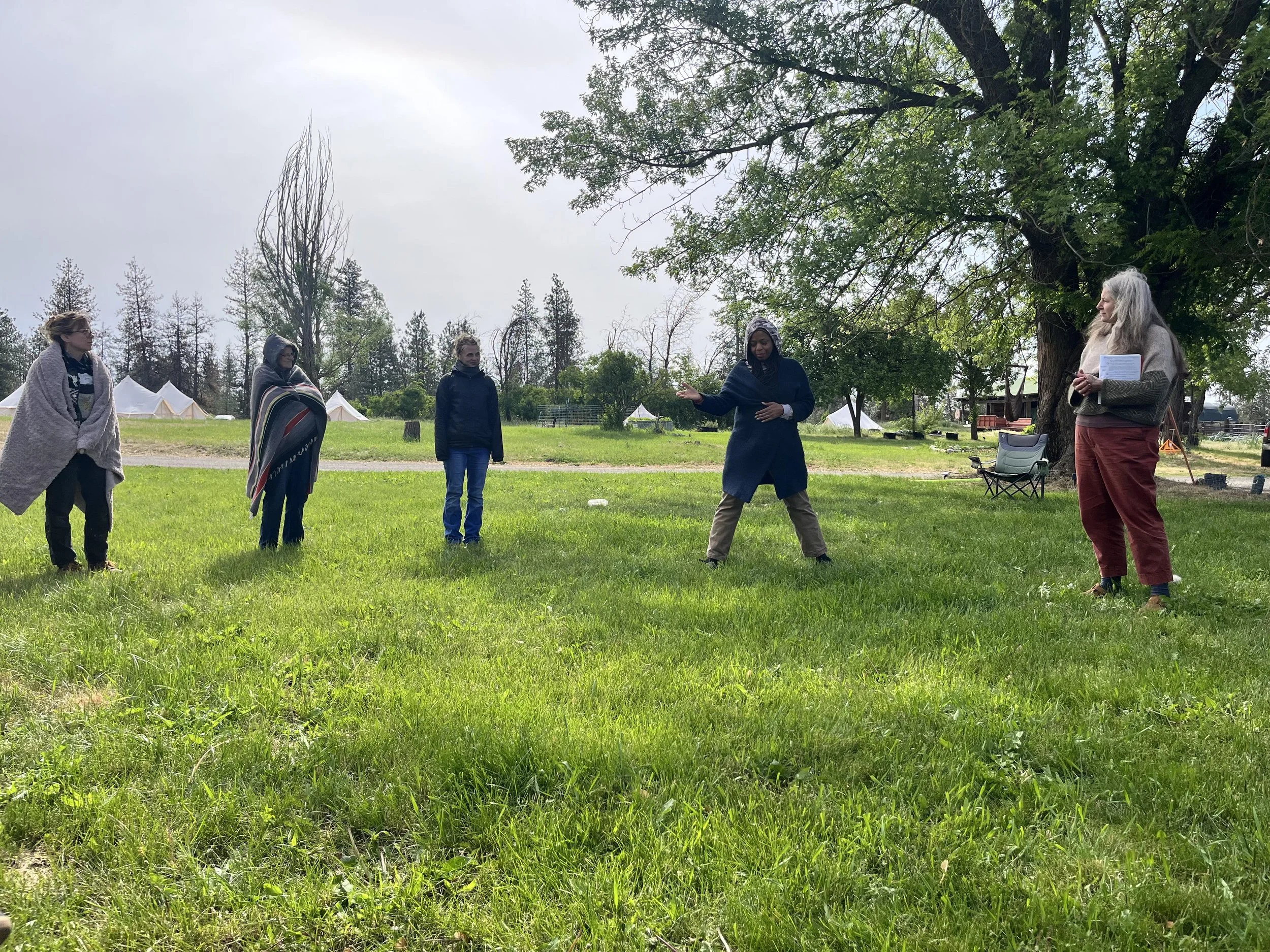
At a Cowgirl Camp devoted to somatic holistic decision-making, I posed a question: Do I, as an individual, need a statement of purpose?
One woman, who is in the practice of holistic decision-making, answered without hesitation: “You definitely need a statement of purpose!”
This departs from the way a statement of purpose is generally described in Holistic Management, where it applies to an organization formed to do something specific. An agency needs one because it must reflect the public purpose for which it was created; a cooperative might exist to provide business services, market access, and research to its members.
Hamlet's Take on Artificial Intelligence: Energy Source and Use and the Potential of Advancing Human Creativity
By Andrea Malmberg
In Hamlet, Shakespeare gives us one of the most quoted lines in the English language:
"For there is nothing either good or bad, but thinking makes it so."
The line is often interpreted as an argument for relativism, as though Hamlet was suggesting that reality itself is merely a matter of opinion. In my Catholic high school, where many of my teachers were Liberation Theologians and who were personally impacted by the covert U.S. wars in Central America in the 80s, I learned to interpret it a different way. Hamlet is wrestling with his own view of his world, Denmark, and how markedly different others seem to view the relationships, perceptions, and consequences while sharing the same circumstances.
Embodied Learning at New Cowgirl Camp
By Maya Weeks
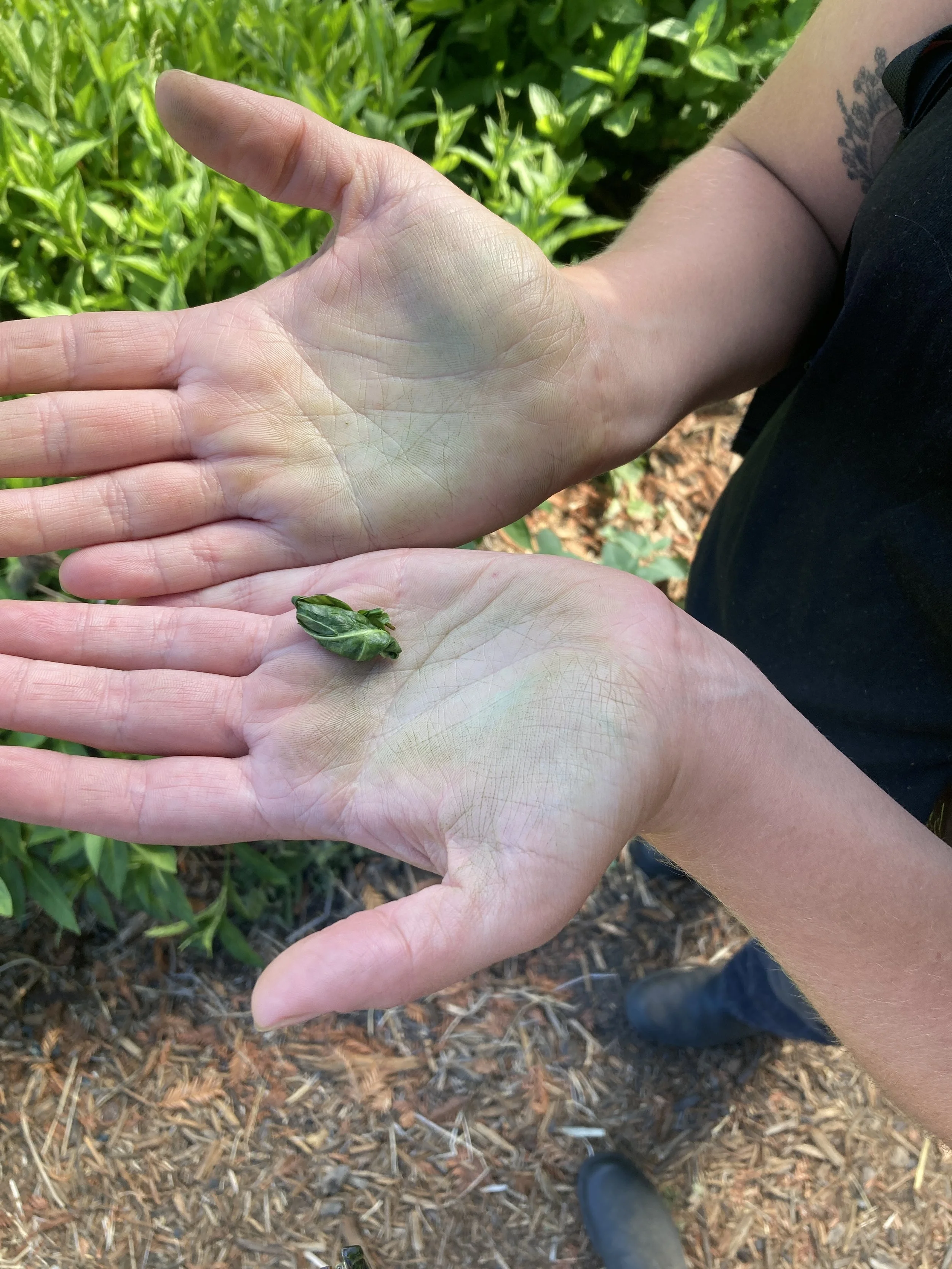
Participating in New Cowgirl Camp loosened something in me that I had been trying to figure out how to loosen up but hadn’t known how. I am a geographer and poet who works on pollution and gender. I was a poet first, and then trained as a geographer to develop research skills in environmental justice to write stronger poetry. And then I became a researcher whose practice involves creative writing. And then an educator who uses all of the above to teach. By the time I arrived at New Cowgirl Camp, it had become clear to me that I needed to integrate land stewardship into my life in a major way.
Returning Decay to Its Proper Place: Vitality, Death, and the Timing of Letting Go for Regeneration
By Andrea Malmberg
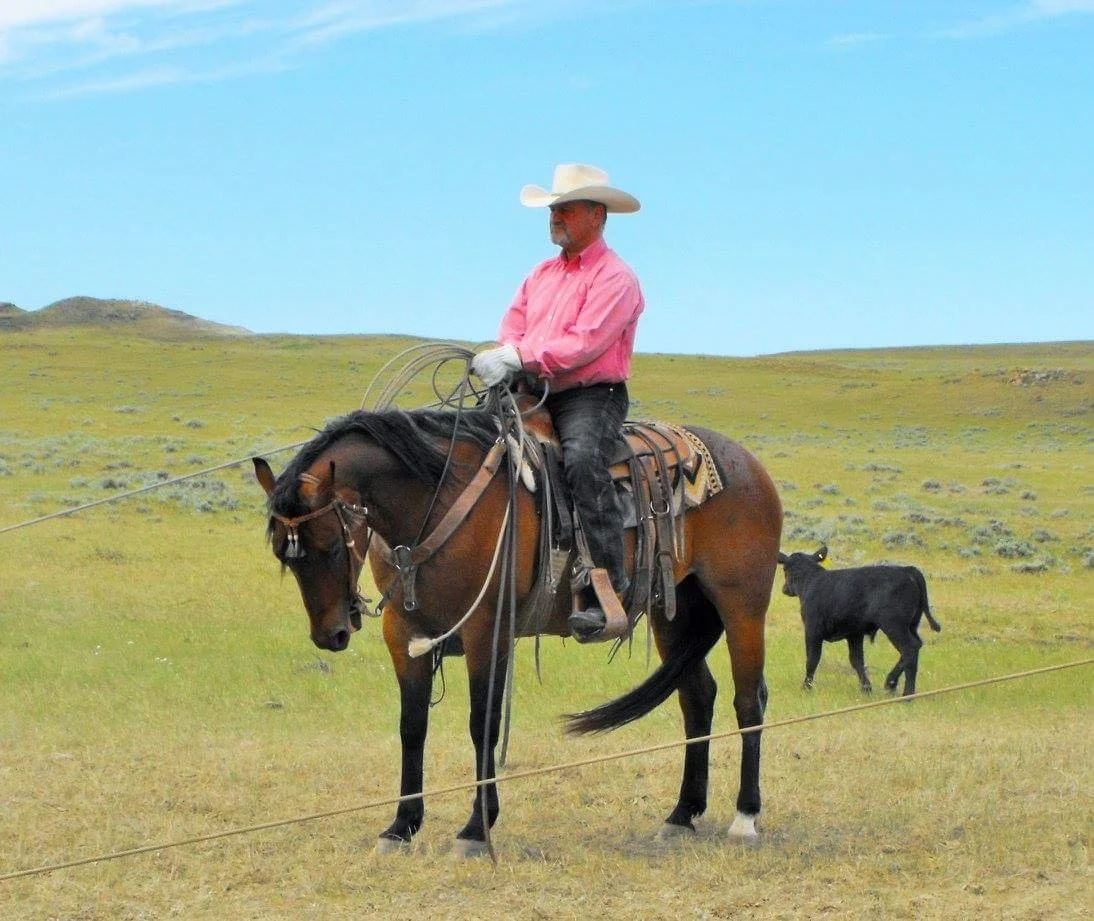
I have come to believe that one of the deepest distortions of the cultures that have evolved in the postmodern era is our growing acceptance of decay before death. We have normalized the slow erosion of vitality as though it were inevitable, accepting prolonged diminishment as the price of care while simultaneously organizing immense systems of medicine, finance, and technology around postponing the final moment of death, regardless of the quality, coherence, or meaning of the life preceding it.
Where Values Meet Action: Holistic Context and Somatic Decision Making Workshop
What does it actually feel like to live in alignment with your values?
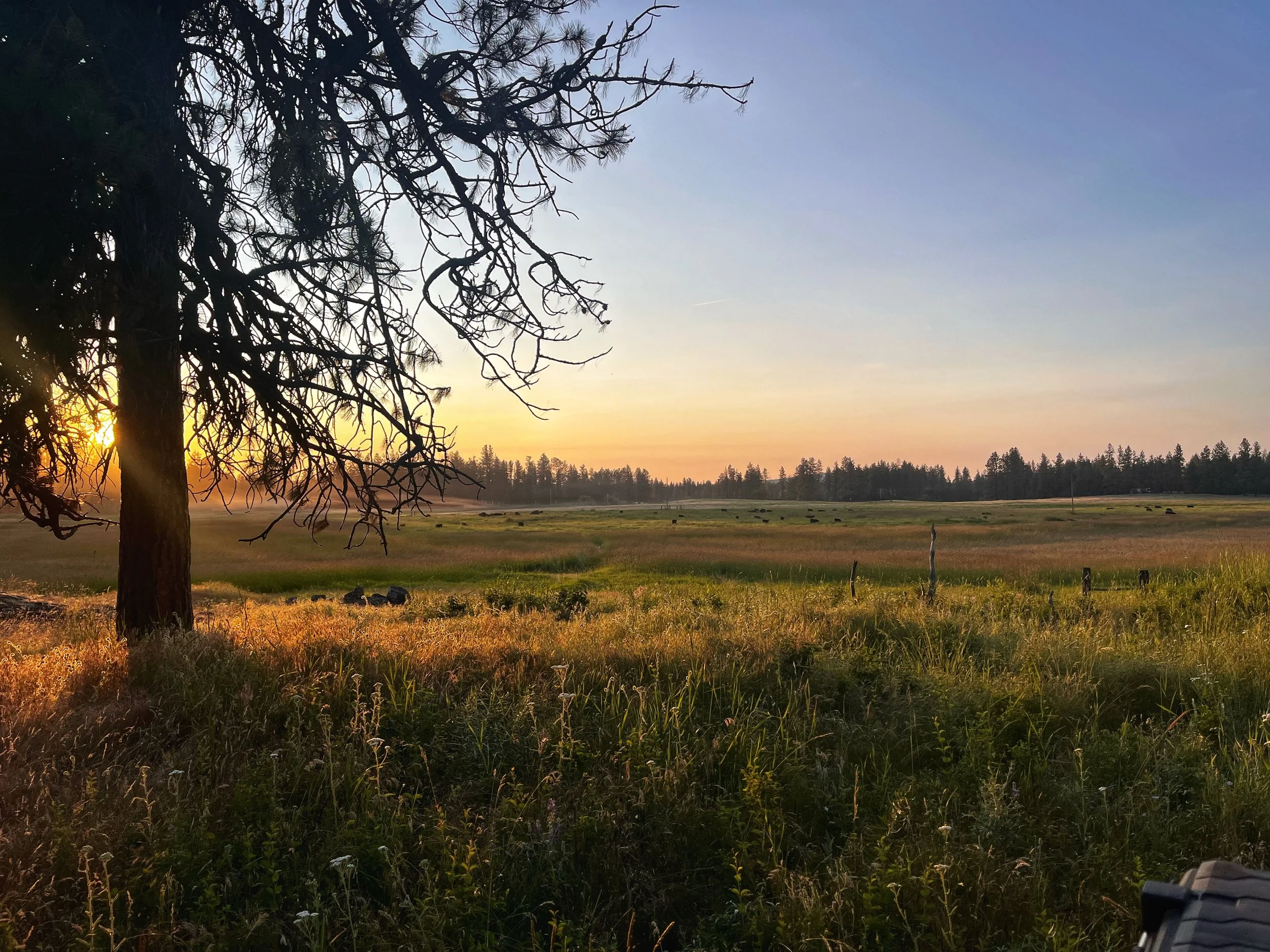
In Holistic Management, the holistic context is where that work begins. It asks decision-makers to get clear on what they’re managing, what resources they have, and what kind of life and future they’re working toward. It becomes a practical tool for decision-making, used alongside the seven testing questions to evaluate choices across ecological, financial, and social dimensions.
For many people, the hardest part isn’t knowing what matters, it’s actually living it.
This workshop is about that gap.
Anticipating the 2026 EOV season
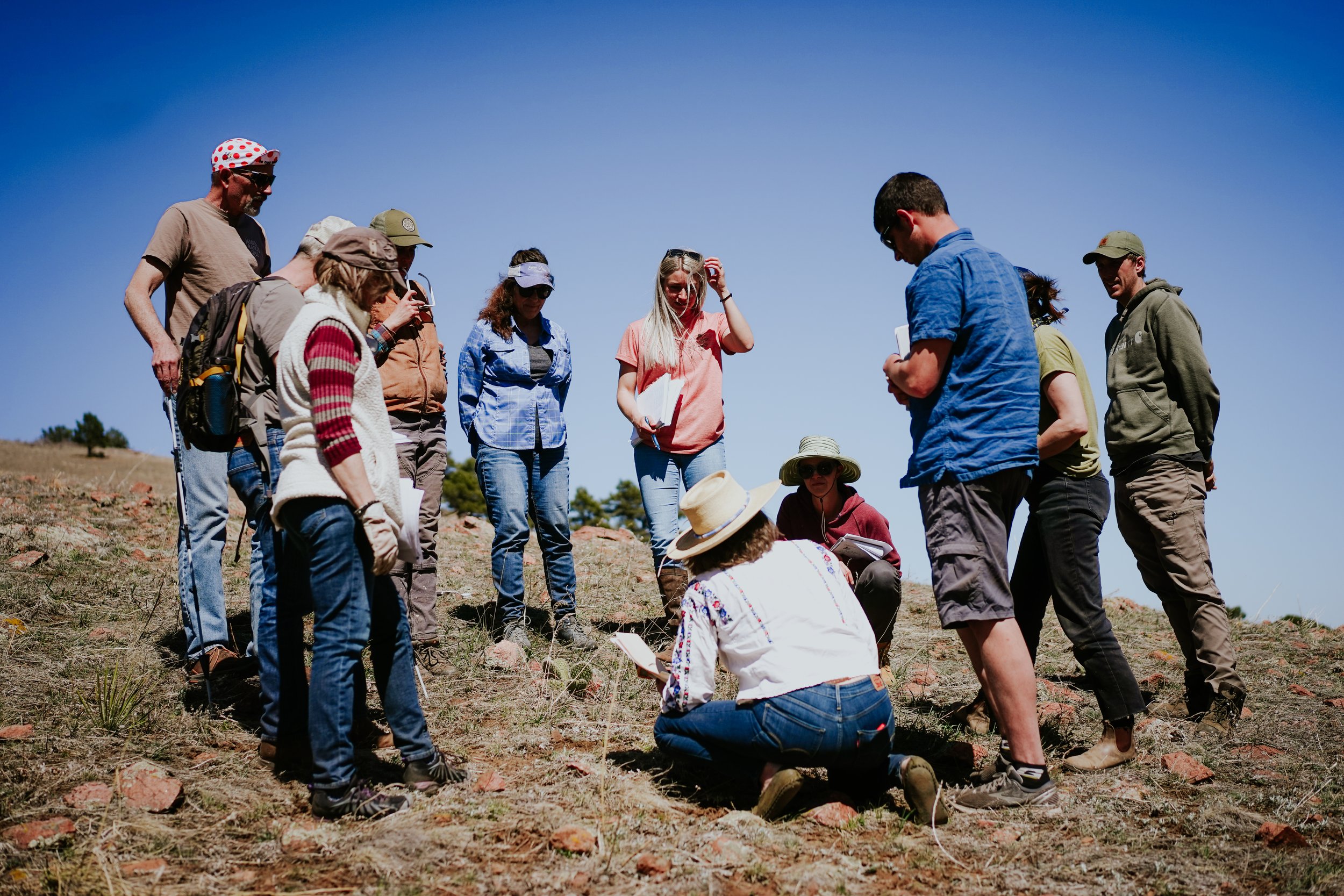
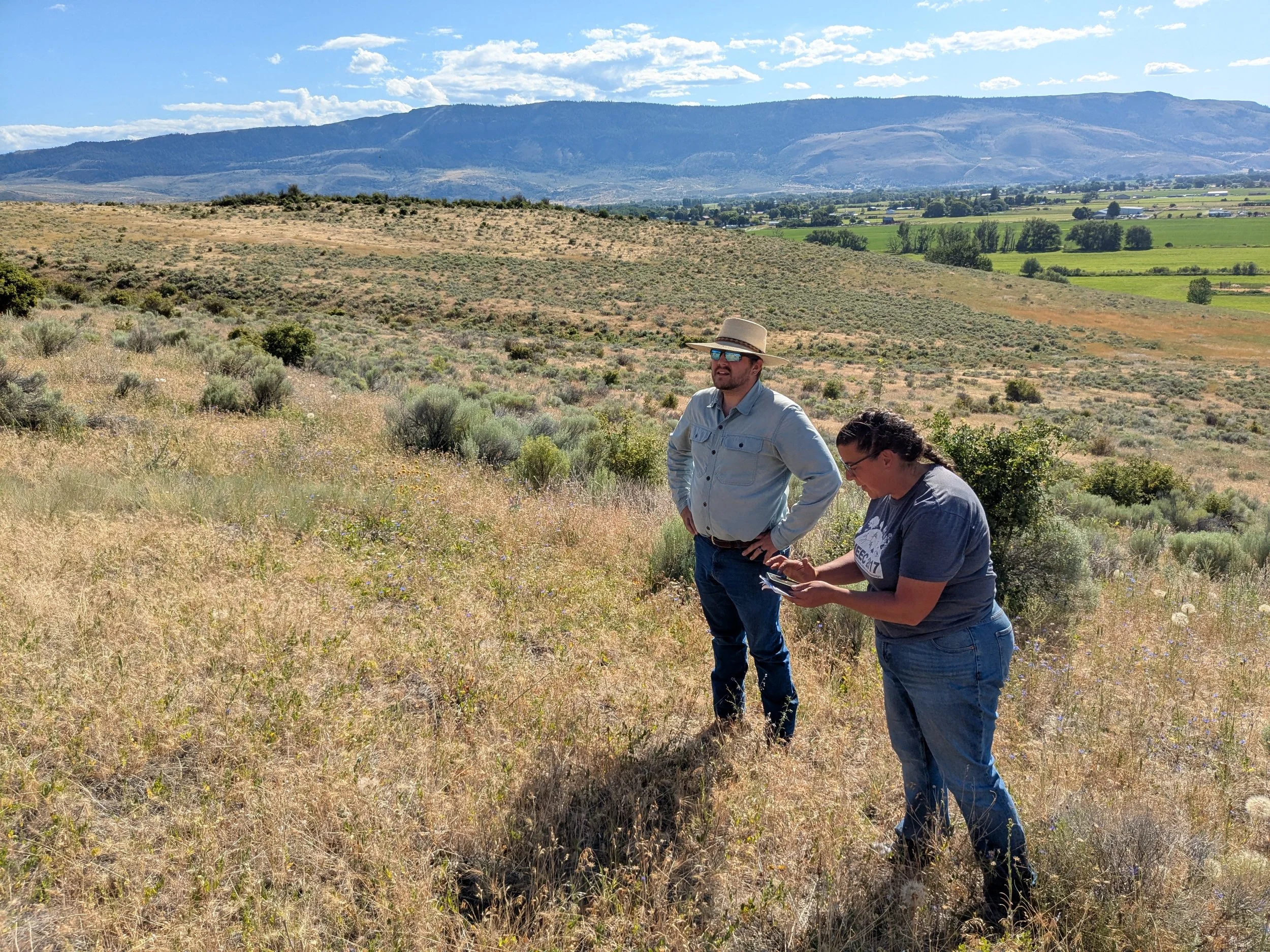
As spring unfolds across the West, plans are well underway for UVE’s 2026 Ecological Outcome Verification (EOV) monitoring season. This year, we are preparing to monitor 35 landbases across California, Oregon, Washington, Nevada, Idaho, and Colorado, including three new landbases that will receive baseline monitoring for the first time.
The Land Holds the Story: A Visit to Modoc Homelands
By Mackenzie Diven
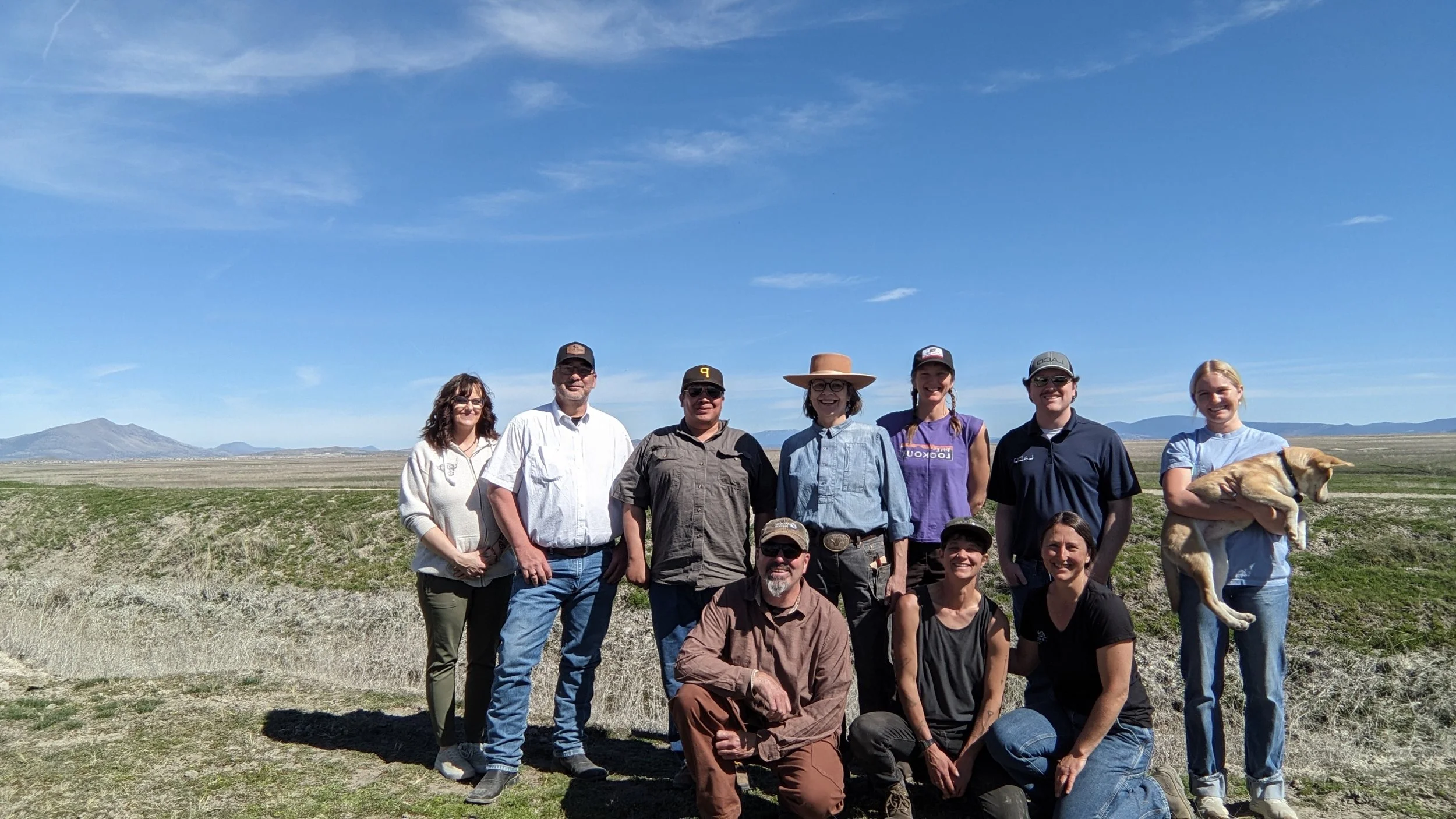
This week I got the amazing opportunity to visit a Modoc Nation site in Tulelake with UVE. The land was absolutely stunning, spanning around 1,200 acres of mountains, fields, and vast, diverse landscapes. This was truly an eye-opening experience because I never knew this site even existed, and I had never learned about most of the untold Native stories connected to this land.
Going North: Finding Meaningful Work at the End of the Trail
By Diana Baszucki
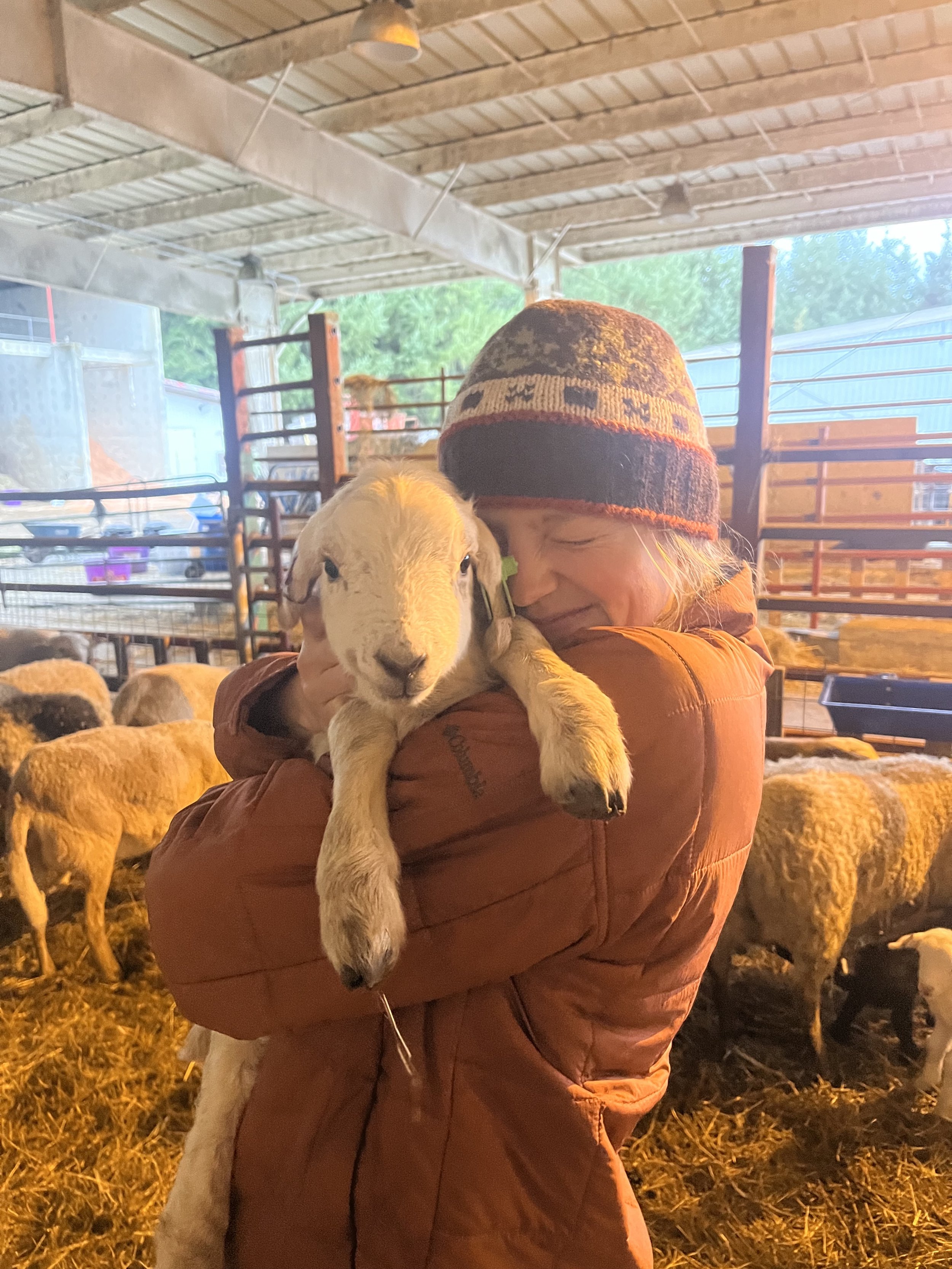
Last year, I spent six months hiking the Pacific Crest Trail, walking from the Mexican border to the Canadian border. I slept under the stars most nights, swam in countless rivers and lakes, and walked for about ten hours every day. It was a way of life completely unlike anything I’d ever experienced, one wholly oriented around the present moment and rooted in the natural world. When I finished the trail, I returned to normal life with a lot of momentum and no idea what direction to orient myself towards.