

The Land Holds the Story: A Visit to Modoc Homelands
By Mackenzie Diven, UVE Intern
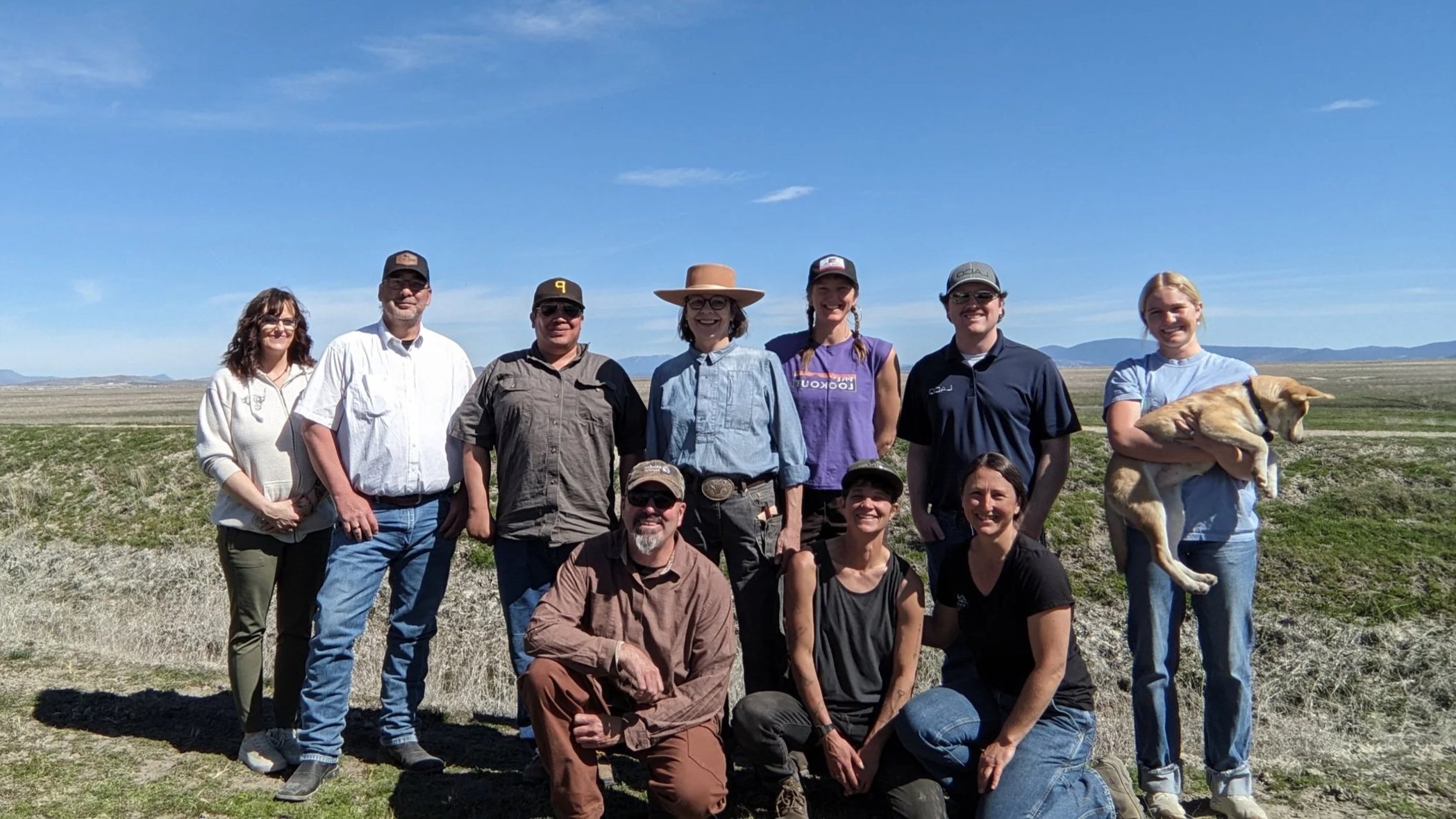
This week I got the amazing opportunity to visit a Modoc Nation site in Tulelake with UVE. The land was absolutely stunning, spanning around 1,200 acres of mountains, fields, and vast, diverse landscapes. This was truly an eye-opening experience because I never knew this site even existed, and I had never learned about most of the untold Native stories connected to this land.
UVE, along with others such as LACO and Upstream Ecology LLC, toured the site and learned many of the historical facts and stories. A “Dream Team” is coming together to help repair this land for generations to come. Through Holistic Management, ecological monitoring, water control, and a lot of love, this team will do their best to restore the land and support ecosystem recovery.
I was able to learn so much in such a short amount of time with these brilliant people. During the visit, we observed different water management techniques, such as building beaver dam analogues out of natural resources within the ecosystem. This allows water to spread and bring life back to the soil and plants. I also learned how to tell when plants aren’t thriving in their environment, along with some approaches, including properly managed livestock grazing and a variety of ways in which we can work with the environment to help it flourish. The team hopes to come together and use their knowledge, along with anyone else who is willing to help, and restore this land.
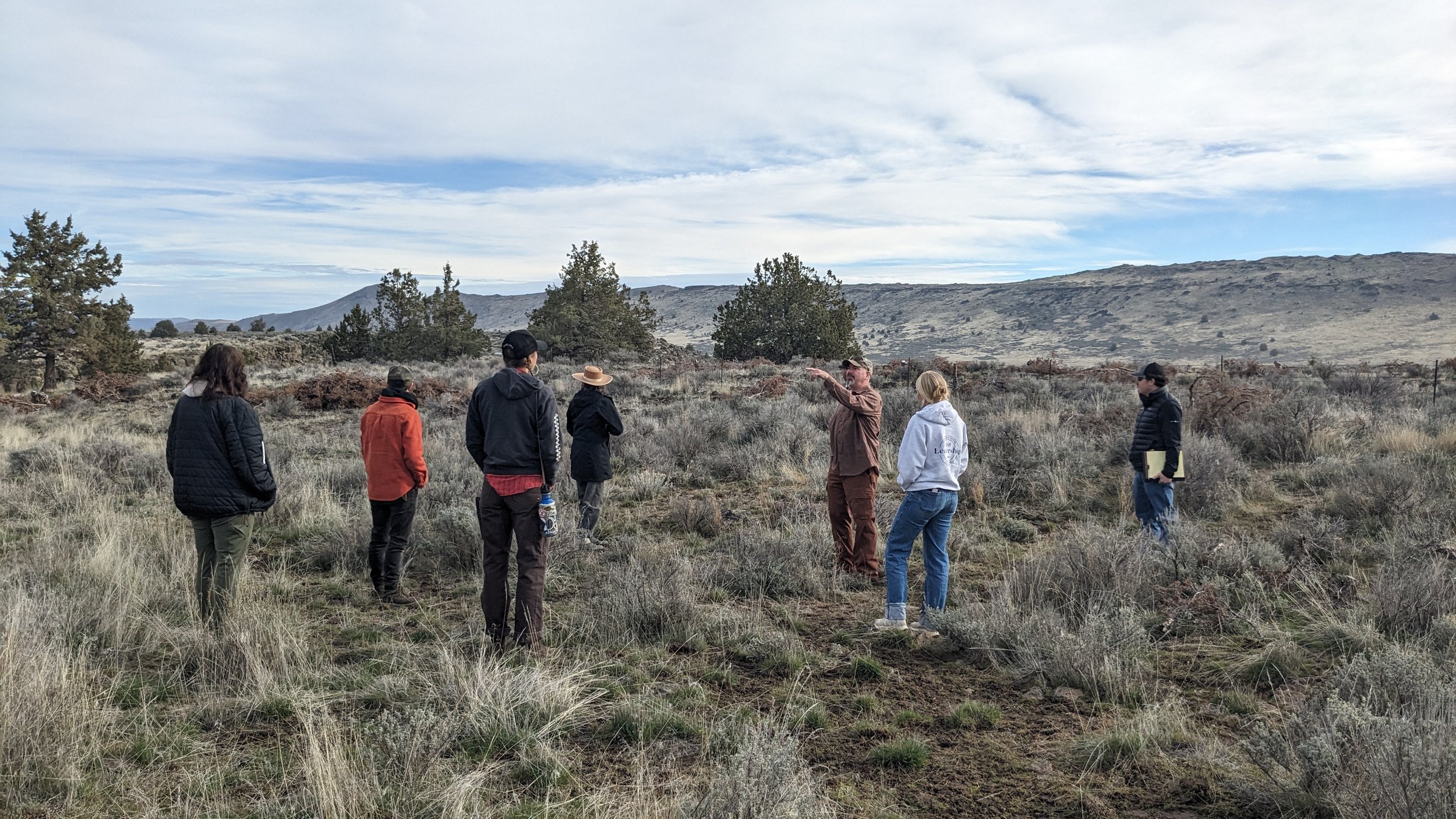
Learning about the history of the Modoc people and their connection to the land helped me understand just how important this project truly is. Following the Modoc War, the Modoc people were forced to leave their homeland and travel to Oklahoma. They have worked for many years to reclaim some of their homeland in the Klamath Basin. Much of this land has been neglected by federal agencies or other public entities, allowing it to become degraded, overgrazed, and disrupted. The Modoc Nation Homelands Project team is now working to restore it with care and intentional stewardship, bringing the land back to health and ensuring it flourishes. Their deep love and connection to this place drives them to protect and nurture it in a way that the government has not.
Overall, this experience was incredibly meaningful, and I learned so much in such a short time. It showed me the importance of restoring the land while supporting Indigenous stewardship and helping ecosystems recover and flourish.
