

Home on the range: why ruminants and native grasses might be key to California’s future
By Marianne Landzettel
This article is a gift from the talented UK journalist Marianne Landzettel. She traveled to the San Joaquin Valley last year to profile the place, its challenges, people and hope. We, at UVE, share a love for this valley that (who) deserves so much better than the way we have treated it (her). We are grateful for the time, care and talent Marianne dedicated to this place that is the source of food for so many. -Abbey
“Food grows where water flows” is a slogan you come across frequently in California’s Central Valley. There are few regions in the world where as much food can be grown as here. Out of the 10 US counties with the highest agricultural production (according to value), nine are in California. The top three, Fresno, Kern, and Tulare County are in the San Joaquin Valley, the southern part of the Central Valley.
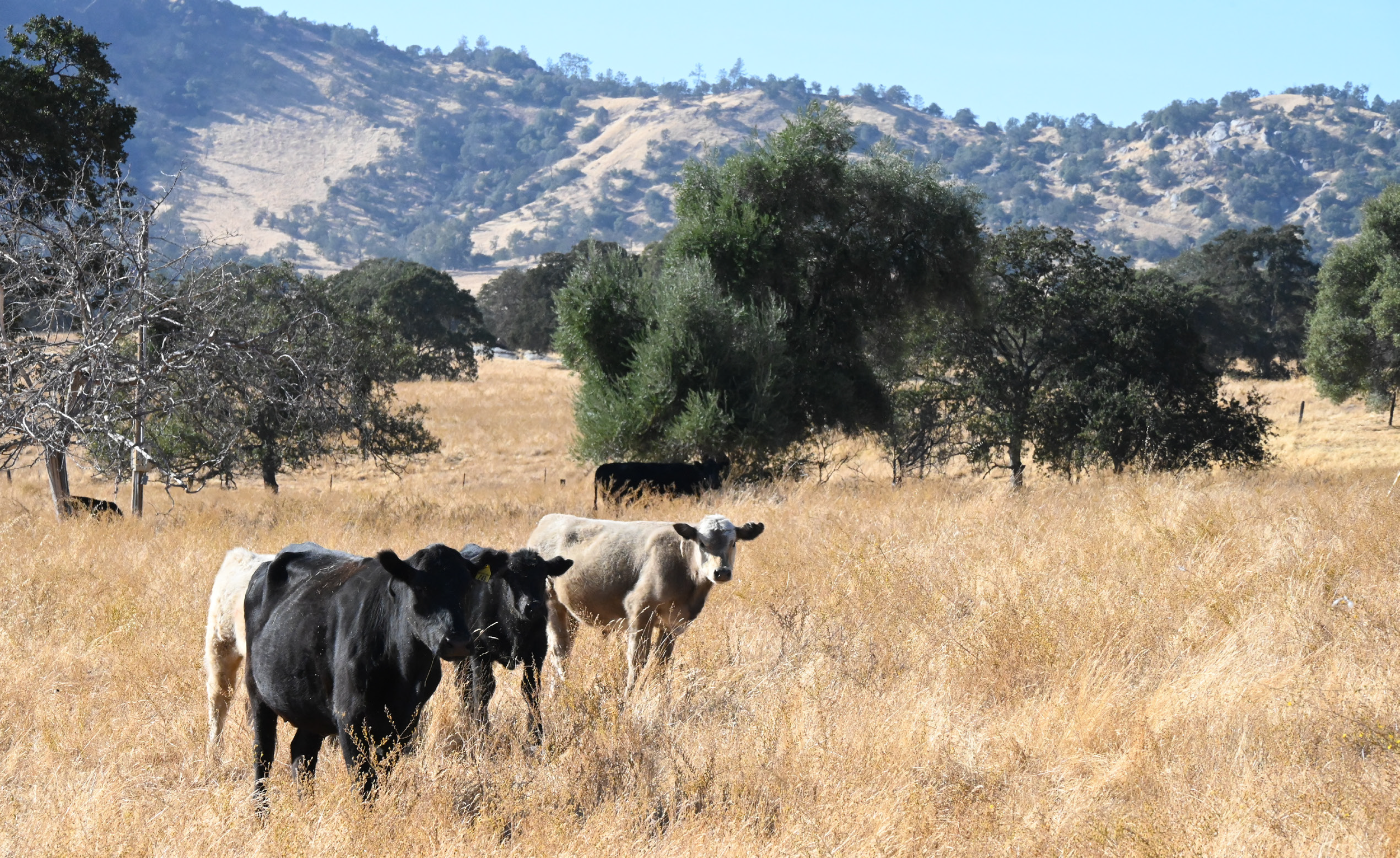
Image from Marianne Landzettel
Marianne Landzettel is a journalist, writing and blogging about food, farming and agricultural policies in the UK, Germany and the US. Her latest book is: The Sustainable Meat Challenge – How to graze cattle, slaughter humanely and stay profitable.
Marianne was UK and Ireland correspondent for German Public Radio, where she started her career as a reporter for the farming program. From 2003 until 2013 she worked for the BBC World Service. She is an avid supporter of organic and regenerative farmers, local processing and locally produced food and keen to promote knowledge exchange and agricultural practices that enhance biodiversity and soil health, in particular well-managed grazing.
Marianne’s previous book is: Regenerative Agriculture: Farming with Benefits. Profitable Farms. Healthy Food. Greener Planet.
X: @M_Landzettel
@mlandzettel.bsky.social
Instagram LondonCowGirl (@m.landzettel)
Website: LondonCowGirl.com