Returning Decay to Its Proper Place: Vitality, Death, and the Timing of Letting Go for Regeneration
By Andrea Malmberg
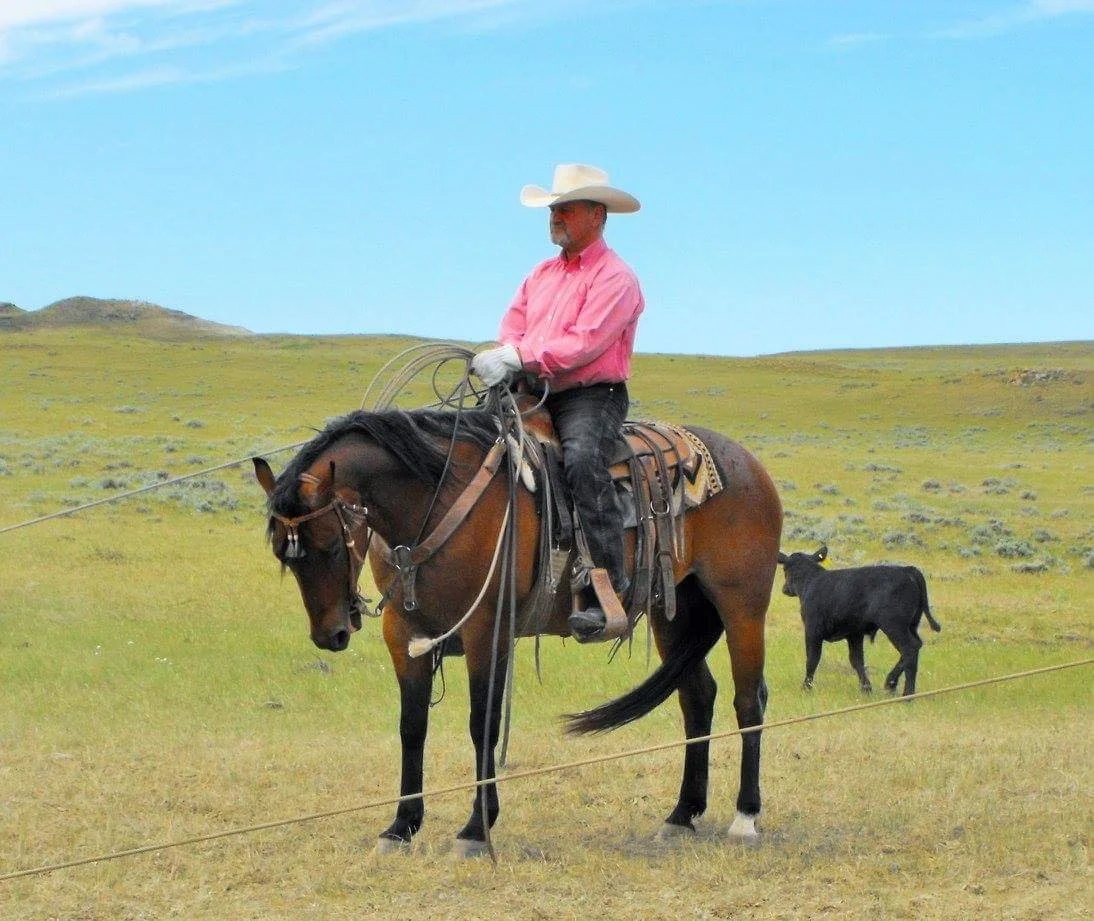
Reflecting on caring for my husband Tony in his last years with cancer, I find myself confronting questions that are far less medical than cultural, ecological, and relational. The language surrounding cancer treatment often centers around fighting, battling, surviving, and winning, framing illness as a war waged inside an individual body. Even in cowboy culture, you go to the Pendleton Roundup, and there is a sea of men who are “Brave Enough to Wear Pink” showing their allegiance to ending the disease, with no real discussion of the root cause of its pervasive presence in our lives. In all that noise, there is very little space to ask whether the process of treatment itself is preserving the whole person and their connection to others, or whether we are accelerating decay long before death arrives.
I have come to believe that one of the deepest distortions of the cultures that have evolved in the postmodern era is our growing acceptance of decay before death. We have normalized the slow erosion of vitality as though it were inevitable, accepting prolonged diminishment as the price of care while simultaneously organizing immense systems of medicine, finance, and technology around postponing the final moment of death, regardless of the quality, coherence, or meaning of the life preceding it.
Especially during the final year of Tony’s illness, it became increasingly difficult to ignore how easily cancer reorganizes the emotional and relational landscape surrounding the person diagnosed. Attention narrows. Conversations begin orbiting around symptoms, scans, medications, appointments, prognoses, insurance, fear, and the exhausting management of pain and sleeplessnes, as well as the human mineral cycle itself — appetite, diet, constipation, diarrhea, and incontinence. Entire families, friends, and professionals become organized around the disease. The person carrying the diagnosis and loved ones can become understandably consumed by the desire to remain alive. At the same time, caregivers slowly disappear into exhaustion, anticipatory grief, logistical management, financial strain, and emotional invisibility. The disease begins colonizing not only tissue, but relationships.
Cancer possesses a profound metaphorical similarity to the industrial, postmodern, and artificial intelligence global world in which we find ourselves. Cancer cells continue to grow while losing their connection to the body's larger intelligence. They consume disproportionate resources, ignore regulatory signals, disrupt cooperation, and prioritize unchecked expansion over systemic health. Our broader economic and medical systems often behave similarly, rewarding perpetual growth detached from ecological limits. The tragedy is not simply that people, or to expand the metaphor, that organizations die. Death has always accompanied life. The tragedy is how many enter prolonged states of living decay years before death actually occurs.
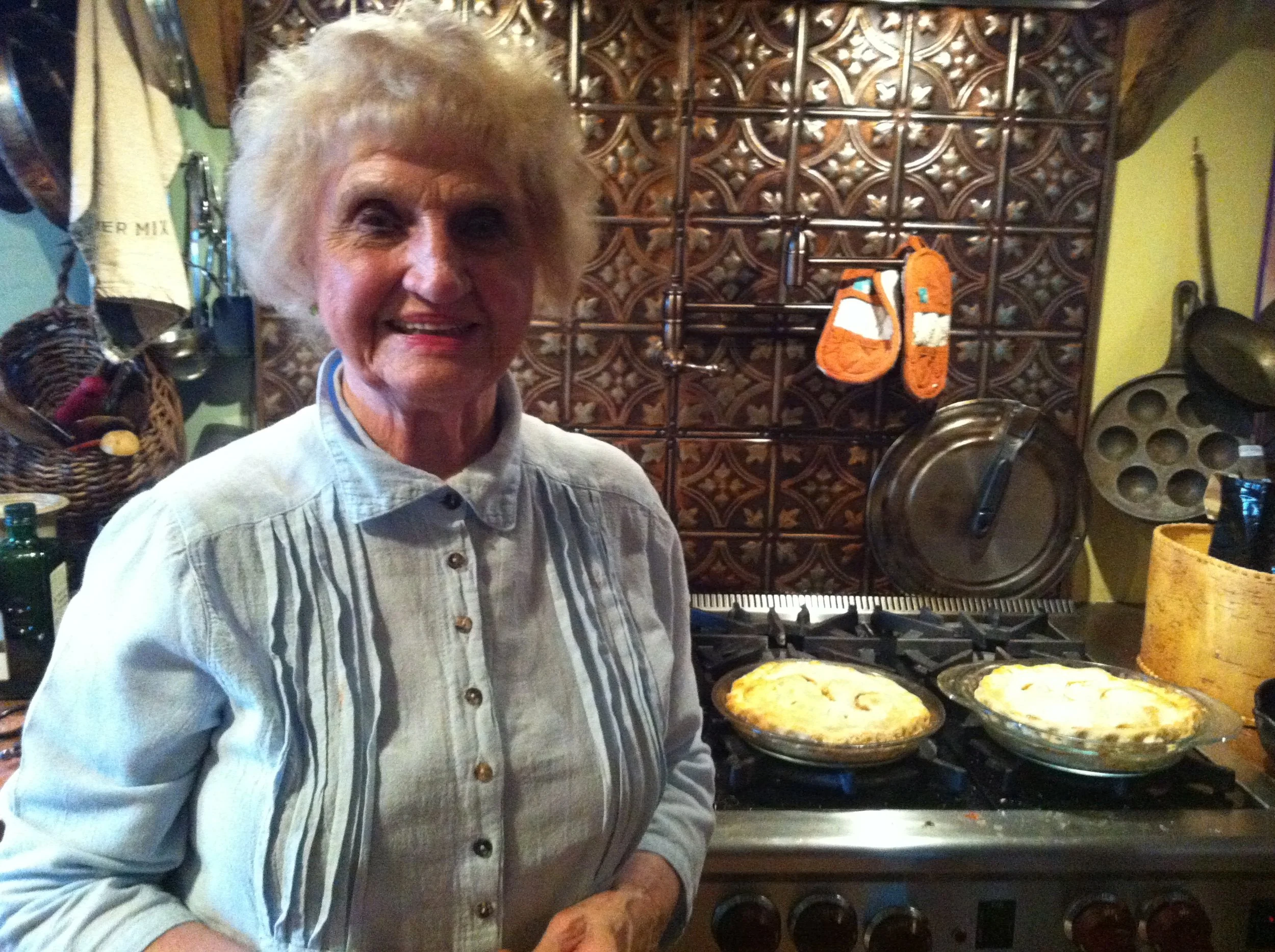
While contemplating my own health crises, the time with Tony in his last years, the way my mother chose to live nearly two decades fighting cancer, and the many organizations I have seen quietly disappear, I have increasingly come to believe there is a distinction between aging and decay. Aging reflects movement through the natural life cycle. Decay reflects the loss of coherence, vitality, and relational integrity before life has completed itself. I wonder if many traditional cultures understood this intuitively. Elders remained embedded within family, landscape, ceremony, storytelling, and responsibility until very near death. Their bodies aged, yet their being often remained intact because vitality was more than metabolic performance. It included purpose, reciprocity, contribution, memory, and belonging. This is how my dear mother-in-law, Sybil, lived her life to the ripe old age of 99.
What feels important to acknowledge is that decay is not confined to old age. Increasingly, I see people in their forties, fifties, and younger experiencing forms of fragmentation that previous generations may once have associated with the final stages of life. Men and women still considered “young” become consumed by chronic illness, exhaustion, inflammation, anxiety, loneliness, or the relentless management of their own bodies while the larger systems surrounding them quietly normalize these conditions as ordinary. Tony was not an elder. My dear friend, in his late forties, who has lived an extraordinarily health-conscious life, is now moving through aggressive cancer treatment. There are many businesses and organizations where enormous amounts of work are put into portraying health, while decay is eating away at their foundations. What concerns me is not simply premature death, but premature decay — the gradual narrowing of relationships, contributions, curiosity, courage, resilience, and presence while people and organizations are still deeply needed by their families and communities.
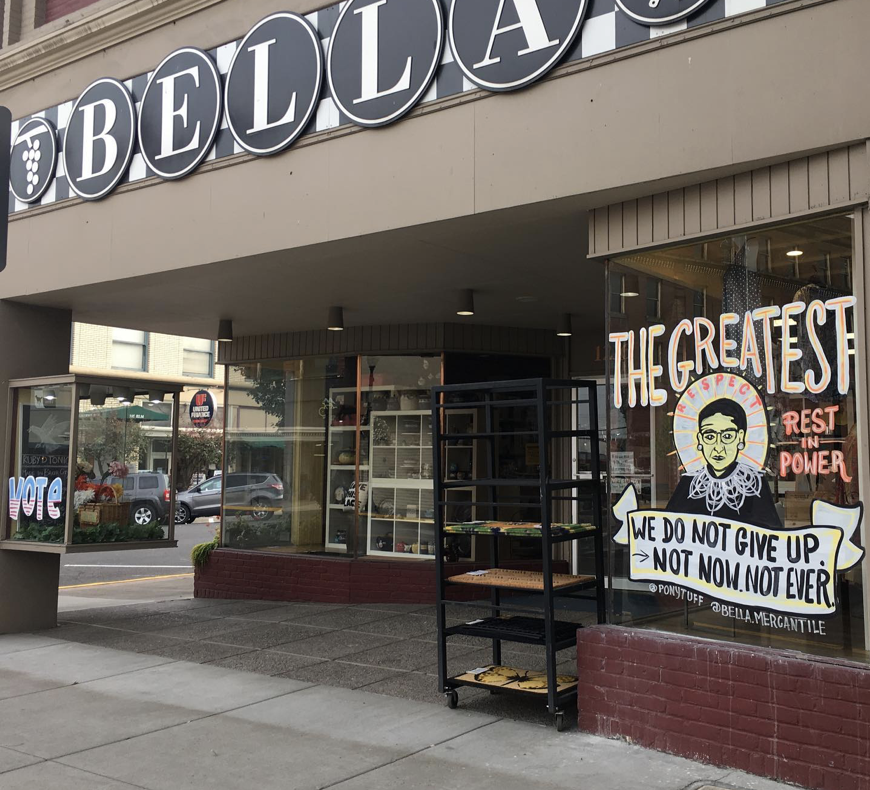
I have been brewing on returning decay to its proper place for a long time. Last week, over lunch with a Gen X shop owner, I asked her what her succession plan was for the business she has spent years building from scratch in a place that nobody in their right mind would think could be sustained. After a long pause, she shrugged and said, “I guess it’ll just continue until I can’t do it anymore.” There was no exhaustion in the statement. Continuation itself wasn’t the goal. Joy, creativity, and meaning were what she needed for her life in the present and the rest of her years.
This lovely lunch conversation circled me back to something modern culture rarely gives us permission to acknowledge: allowing something to die is not failure. Sometimes the refusal to let things end becomes its own form of decay. Businesses, relationships, institutions, identities, and even bodies can become organized around prolonging existence long after the vitality that once animated them has begun to disappear. In regenerative systems, death is not separate from renewal. What would it look like if we encouraged old structures to decompose into fertility, stagnant energy to return to circulation? Life continues precisely because nothing is forced to remain permanent.
Holistic Management asks us to evaluate decisions not through isolated variables, but through the lens of the whole, our desired quality of life, and the future relationships our decisions make possible. In land management, we try not to treat symptoms without understanding the root cause. We know that overrest can be as damaging as overuse because stagnation interrupts nutrient cycling and energy flow. We come to know intuitively that vitality depends on maintaining relationships among all parts of the system. Yet when it comes to human health or the organizations we create, we often abandon this holistic thinking entirely. Not dying becomes the goal.
From a holistic perspective, health care decision-making becomes about far more than the ability of an intervention to prolong biological survival, because life cannot be separated from the relationships, meaning, purpose, and coherence surrounding the person receiving care. The conversation expands to include how treatment influences a person’s ability to remain connected to contribution, beauty, humor, affection, curiosity, and presence, while also acknowledging how prolonged illness reshapes the emotional, relational, and financial well-being of the family and community, carrying the often invisible weight of caregiving.
These questions become difficult because fear of death exerts enormous power over human decision-making. Industrial medicine has become extraordinarily effective at offering additional procedures, treatments, interventions, and hope. Yet hope without context can quietly become its own form of extraction when no one feels permitted to ask whether more treatment necessarily means more life, more vitality, or even more comfort.

Ecologically, regenerative systems depend upon timing. Decay belongs in a relationship with death because decomposition is what allows nutrients, energy, and accumulated life to return to the larger cycle, where renewal becomes possible. Grasslands that oxidize without adequate biological cycling lose vigor while still technically covered in vegetation. Rivers disconnected from floodplains continue flowing while ecological function quietly collapses. Human beings can similarly remain biologically alive while emotional and spiritual fragmentation advances beneath the surface.
I keep returning to the idea of creating regenerative cultures. The idea of sustaining vitality rather than merely extending survival, understanding health as the quality of relationships between people, food, community, land, movement, meaning, and care across an entire living system, acknowledging that many scales and wholes exist. In such cultures, caregiving would not become an invisible burden quietly carried by exhausted family members or underpaid workers while the medical system remains focused solely on the patient. Illness and healing would be understood as something that moves through relationships, families, and communities, not just bodies.
The death of a loved one will always be a time of grief. I grieve every day that my favorite person is not by my side, and I will mourn when our little gourmet store no longer exists. The deeper question might be whether a person or a business could remain meaningfully alive as much as possible, retaining their purpose, dignity, humor, affection, and contribution until near the end, rather than entering a prolonged state in which existence continues while vibrancy steadily recedes.
The cycle of life – a continuous process through which living systems emerge, grow, mature, decline, die, decay, and renew – allows energy, nutrients, memory, and relationships to move from one form of life into another. Every living system eventually moves through emergence, growth, maturity, decline, death, decay, and renewal. Death is not failure. After death, decomposition returns nutrients, energy, memory, and accumulated life into circulation, where new growth becomes possible.
Perhaps the more rooted invitation within holistic decision-making is learning how to care for life in a way that allows vitality, connection, meaning, and contribution to remain present, so that when death eventually arrives, decay can return to its proper regenerative role within the cycle of life itself. There is something deeply hopeful in remembering that regeneration has always depended on this bond between fully living and fully dying, and in allowing decay to become one of the processes through which life continues.
